Essential Facts About Iraq
Discover the rich history, diverse cultures, and unique travel experiences that make Iraq an extraordinary destination.
Cradle of Civilization
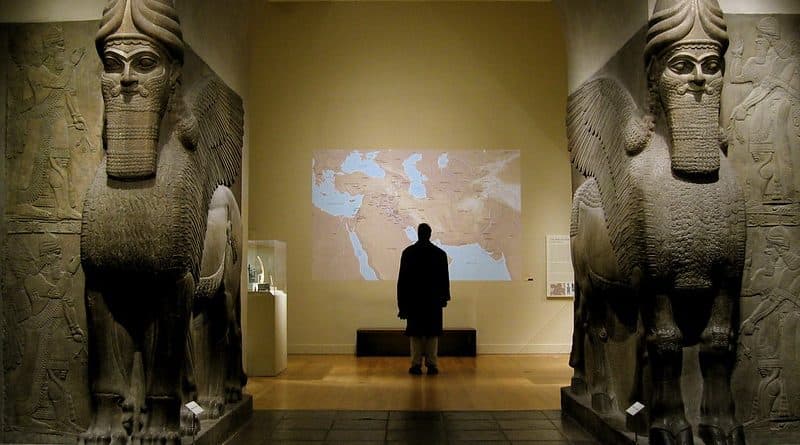
Iraq is often referred to as the "Cradle of Civilization" as it was home to the world's first urban centers in ancient Mesopotamia. This region saw the birth of writing, agriculture, the wheel, and the first code of laws.
Mesopotamian Marvels
Located between the Tigris and Euphrates rivers, Mesopotamia was home to the legendary Hanging Gardens of Babylon, one of the Seven Wonders of the Ancient World, as well as remarkable ziggurats and temples.
Diverse Landscapes
From the fertile plains of the south to the mountainous terrain of Kurdistan and the vast deserts, Iraq offers diverse landscapes for nature lovers and adventure seekers alike.
Archaeological Treasures
Iraq houses numerous UNESCO World Heritage sites and archaeological wonders, including the ancient city of Ur, Babylon's ruins, the Assyrian city of Nineveh, and the magnificent ziggurat at Ur.
Cultural Sensitivity
Respecting local customs is essential when traveling in Iraq. The country has diverse religious and cultural traditions that should be honored:
Religious Sites:
- Islamic holy sites (Najaf, Karbala): Women must cover their hair and body with an abaya. Men should wear long pants (jeans/trousers).
- Alcohol restrictions: Never bring alcohol to religious sites or appear intoxicated.
- Lalish Temple (Yazidi): Do not wear blue clothing and always remove your shoes before entering.
- All religious sites: Maintain a respectful volume, avoid laughing loudly, and never make comments about local beliefs or traditions.
Iraqis are known for their exceptional hospitality. Understanding and embracing local customs will greatly enhance your experience and help build meaningful connections with local people.
Ramadan Etiquette
If visiting during Ramadan, show respect by not eating, drinking, or smoking in public during daylight hours. Many restaurants will be closed until sunset, though some tourist-oriented establishments may remain open. Evening iftars (breaking of the fast) can be a wonderful cultural experience to participate in if invited.
Keep Your Passport Handy
Always carry your passport with you while traveling in Iraq. You'll frequently need it at checkpoints between cities and when visiting major attractions. Keep it secure but accessible, as impromptu ID checks are common throughout the country.
Local Cuisine
Iraqi cuisine offers a rich tapestry of flavors developed over millennia. Don't miss specialties like masgouf (grilled fish), dolma (stuffed vegetables), and quzi (lamb with rice). Street food like kebabs and samoon bread are delicious everyday staples. Learn more about Iraqi flavors here.
Language
Arabic is Iraq's official language, while Kurdish is predominant in the Kurdistan Region. English is understood in tourist areas and by younger Iraqis in major cities. Learning basic Arabic or Kurdish phrases demonstrates respect and facilitates meaningful interactions. Our guides provide interpretation services throughout your journey.
Cultural Awareness
Be mindful of regional sensitivities. For instance, Kurdish people have a distinct cultural identity and should not be referred to as Arabs. Iraq's ethnic diversity includes Arabs, Kurds, Turkmen, Assyrians, and more—each with their own cultural heritage. Acknowledging these distinctions shows respect and cultural awareness.
Religious context: Iraq has two main Islamic denominations. Sunni Muslims include all Kurds and some Arab minorities, while Shia Muslims constitute the Arab majority, particularly in central and southern Iraq. Understanding this religious diversity helps travelers navigate cultural and regional differences more respectfully.
Ready to Explore?
Embark on a journey to discover the wonders, history, and warm hospitality of Iraq. Whether you're an avid adventurer, history enthusiast, or cultural explorer, Iraq offers experiences that bridge the ancient and modern worlds, creating unforgettable memories.
Safe Travels